
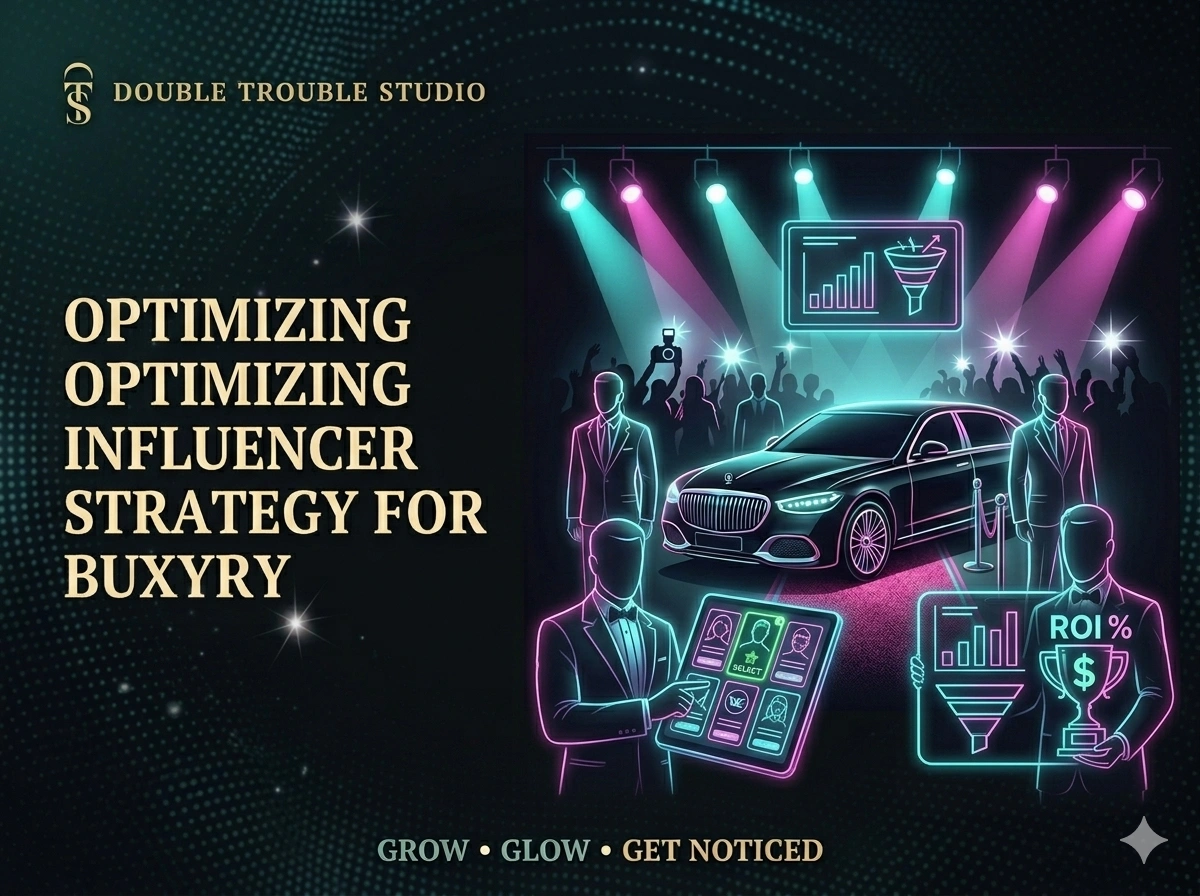
Influencer Marketing for Luxury Brands (Selection, Campaigns & ROI Tracking)
In 2026, influencer marketing has evolved from a trend-driven tactic into a structured and strategic component of brand communication. However, for luxury brands, this evolution carries a different set of expectations and challenges. While mass-market brands often use influencers to maximize reach and engagement, luxury brands must approach influencer marketing with precision, restraint, and alignment.
The objective is not to collaborate with the most visible influencers, but with the most relevant ones. Visibility alone does not define success in luxury branding. Perception does. Every collaboration must reinforce the brand’s positioning, maintain its exclusivity, and create a narrative that feels authentic and aspirational.
Influencer marketing in luxury is therefore not about amplification.
It is about association.
The individuals chosen to represent the brand become extensions of its identity. Their audience, content style, and personal brand must align with the values and image that the luxury brand seeks to communicate. This makes influencer selection, campaign design, and performance measurement critical components of the strategy.
Because in premium markets, influence is not measured by numbers alone.
It is measured by credibility.
Influencer Selection: Aligning Identity with Representation
The selection of influencers is the most critical step in any luxury influencer marketing strategy. Unlike traditional campaigns where reach and engagement metrics often drive decisions, luxury brands must prioritize alignment over scale. The influencer becomes a representative of the brand, and any misalignment can weaken perception.
The first consideration in selection is brand fit. The influencer’s personal image, content style, and audience must reflect the same values and aesthetic as the brand. This includes visual consistency, tone of communication, and overall positioning. For example, an influencer known for aspirational, high-quality content is more suitable for a luxury brand than one focused on mass appeal.
Audience alignment is equally important. The demographic and psychographic profile of the influencer’s audience should match the brand’s target market. High follower counts are less important than relevance. A smaller, more aligned audience can deliver greater value than a larger, less relevant one.
Authenticity is another key factor. Luxury audiences are particularly sensitive to inauthentic endorsements. Influencers who frequently promote unrelated products or engage in overly commercial collaborations may reduce credibility. Brands must therefore evaluate the influencer’s history and consistency.
Exclusivity also plays a role in selection. Collaborating with influencers who represent multiple competing brands can dilute positioning. Luxury brands often benefit from more selective partnerships that emphasize uniqueness.
Long-term potential is another consideration. Instead of one-off collaborations, brands may benefit from ongoing relationships with influencers who consistently align with their identity. This creates continuity and strengthens association.
Influencer selection is not about finding the most popular individual.
It is about finding the right representation.
Campaign Strategy: Crafting Narratives, Not Promotions
Once the right influencers are selected, the focus shifts to campaign strategy. In luxury influencer marketing, campaigns must be designed as narratives rather than promotional activities. The objective is to integrate the brand into the influencer’s content in a way that feels natural and meaningful.
Storytelling is central to this approach. Instead of focusing on product features or direct messaging, campaigns should highlight experiences, emotions, and context. For example, an influencer collaboration with a luxury event brand might focus on the atmosphere and experience of the event rather than its logistical details.
Content quality is critical. Visuals must meet the brand’s standards, including composition, lighting, and styling. Luxury audiences expect a high level of refinement, and any deviation can affect perception. This often requires collaboration between the brand and the influencer to ensure alignment.
Creative freedom must be balanced with control. Influencers understand their audience and know how to engage them effectively, but the brand must ensure that the content aligns with its identity. Clear guidelines and communication help achieve this balance.
Platform selection also influences campaign strategy. Different platforms offer different formats and audience behaviors. Luxury brands must choose platforms that align with their positioning and where their audience is most active.
Timing is another important factor. Campaigns should be aligned with broader brand activities, such as launches, events, or seasonal themes. This creates consistency and enhances impact.
Campaign strategy in luxury influencer marketing is not about visibility alone.
It is about creating experiences that resonate.
Maintaining Brand Integrity During Collaborations
One of the key challenges in influencer marketing for luxury brands is maintaining brand integrity. While influencers bring their own style and voice, the collaboration must not compromise the brand’s identity.
This requires clear communication and guidelines. The brand must define its expectations in terms of visuals, messaging, and tone. At the same time, these guidelines should allow for creative expression, ensuring that the content feels authentic.
Consistency is essential. All content produced during the campaign must align with the brand’s visual and narrative standards. This includes color palettes, styling, and overall presentation.
Monitoring and feedback also play a role. Brands should review content before publication to ensure alignment and provide feedback where necessary. This helps maintain quality and consistency.
Brand integrity is not about control.
It is about alignment.
ROI Tracking: Measuring Value Beyond Metrics
Measuring the success of influencer marketing in luxury branding requires a nuanced approach. Traditional metrics such as likes, comments, and impressions provide useful data, but they do not capture the full value of a campaign.
Engagement quality is more important than quantity. Meaningful interactions, such as thoughtful comments or direct inquiries, indicate deeper engagement. These interactions are more aligned with high-ticket conversions.
Brand perception is another key metric. Influencer collaborations should enhance the brand’s image and reinforce its positioning. This can be evaluated through audience feedback, sentiment analysis, and overall response.
Lead generation and conversion also provide insights. While luxury purchases may not occur immediately, influencer campaigns can contribute to long-term decision-making. Tracking inquiries, consultations, and eventual conversions helps measure impact.
Content performance across platforms also provides valuable data. Understanding which formats, narratives, and influencers perform best allows brands to refine their strategies.
ROI in luxury influencer marketing is not immediate.
It is cumulative.
Long-Term Influencer Partnerships
Luxury brands often benefit from long-term relationships with influencers rather than one-time collaborations. These partnerships create continuity and strengthen association between the influencer and the brand.
Long-term partnerships allow influencers to become genuine advocates. Their audience becomes familiar with the brand, creating a sense of authenticity and trust.
Consistency in collaboration also enhances storytelling. Instead of isolated posts, the brand becomes part of an ongoing narrative, reinforcing its presence.
These partnerships require careful management. Regular communication, alignment on strategy, and mutual understanding are essential.
Long-term relationships transform influencer marketing from a tactic into a strategy.
Balancing Visibility and Exclusivity
As with other aspects of luxury marketing, influencer collaborations must balance visibility with exclusivity. Excessive collaborations or overexposure can reduce the sense of rarity that defines luxury.
Brands must therefore be selective in their partnerships. Limiting the number of collaborations and focusing on quality ensures that each campaign maintains its impact.
Exclusivity enhances desirability.
Visibility must be controlled.
Challenges in Luxury Influencer Marketing
Luxury influencer marketing presents several challenges. One of the most common is misalignment between the influencer and the brand. This can affect perception and reduce effectiveness.
Another challenge is maintaining authenticity. Overly scripted or promotional content can feel artificial.
There is also the challenge of measurement. Traditional metrics may not fully capture the value of luxury campaigns.
Addressing these challenges requires strategic planning and careful execution.
Frequently Asked Questions (FAQs)
What is influencer marketing for luxury brands?
Ans: It is a strategic approach to collaborating with influencers who align with the brand’s identity to create meaningful and high-quality content.
How do luxury brands select influencers?
Ans: By focusing on alignment, authenticity, and audience relevance rather than follower count.
What makes a successful luxury influencer campaign?
Ans: Strong storytelling, high-quality content, and alignment with brand positioning.
How is ROI measured in luxury influencer marketing?
Ans: Through engagement quality, brand perception, and long-term conversions.
Are long-term partnerships better than one-time campaigns?
Ans: Yes, they create consistency and strengthen brand association.
Conclusion: Influence as an Extension of Identity
Influencer marketing for luxury brands is not about leveraging popularity.
It is about building association.
The right influencers, the right campaigns, and the right measurement approach can enhance brand perception and create meaningful engagement. However, success requires precision, discipline, and alignment.
Because in premium markets, influence is not defined by reach.
It is defined by relevance and credibility.
Build Your Influencer Strategy
If you are planning influencer collaborations, a structured and strategic approach is essential.
From influencer selection and campaign design to performance tracking and long-term partnerships, our team helps you create strategies that align with your brand’s identity and deliver meaningful results.
📩 hello@dtsworld.in 📞 +91 80000 06021 📍 Andheri East, Mumbai
👉 Build Your Influencer Marketing Strategy