How to Design a Seamless Guest Journey for Luxury Events: From Invitation to Exit
Luxury events are not remembered only for their décor, cuisine, entertainment or celebrity presence. Guests remember how smoothly the complete experience unfolded, beginning with the invitation and continuing until they finally left the venue. Every interaction influences how they perceive the host, event and brand.
A beautiful venue cannot compensate for a confusing RSVP process, delayed registration or incorrect seating. Similarly, premium hospitality can lose its impact when guests struggle to find the correct entrance or wait too long for their vehicles. In luxury environments, even small moments of friction can become lasting memories.
A seamless luxury event guest journey connects guest-list planning, invitations, RSVPs, arrival, registration, access, seating, hospitality, movement and departure. These elements should not operate as separate tasks managed by disconnected departments. They must function as one carefully coordinated experience.
The objective is not simply to move guests through an event venue. It is to make every attendee feel expected, recognised, comfortable and valued throughout the experience. When the planning is precise, guests experience effortlessness rather than seeing the complex systems working behind the scenes.
Quick Answer
A seamless luxury event guest journey is created by planning every guest touchpoint before the event begins. This includes building a strategic guest list, personalising invitations, creating a reliable RSVP process, segmenting guests and preparing arrival, registration, seating and hospitality systems.
The experience must remain consistent until the guest leaves the venue. Every team member should understand their responsibilities, communication routes and escalation authority. Luxury is achieved when transitions feel natural and problems are resolved discreetly.
What Is a Luxury Event Guest Journey?
A luxury event guest journey is the complete experience an attendee has before, during and after an event. It begins when the organising team considers adding the guest to the invitation list and continues through communication, arrival, participation and post-event follow-up.
This journey includes the invitation received by the guest, the ease of RSVP confirmation and the quality of pre-event information. It also includes vehicle arrival, security, registration, seating, hospitality, programme participation and departure. Every touchpoint contributes to the guest’s emotional impression.
The different stages should feel connected in tone and execution. When separate teams work without sharing information, guests encounter inconsistent messages and avoidable confusion. When the experience is managed through one coordinated guest-management strategy, the event feels polished and effortless.
A luxury event guest journey is therefore not simply an operational checklist. It is a strategic system that shapes perception, comfort and long-term relationships. The strongest journeys make guests feel personally recognised without overwhelming them with unnecessary attention.
Why Guest Journey Design Matters
Luxury guests regularly attend weddings, launches, corporate events, conferences and private gatherings. They are already familiar with impressive venues, elaborate production and high-profile entertainment. What often differentiates one event from another is the quality of the guest experience.
Guests notice whether their name has been recorded correctly and whether the team expects their arrival. They notice whether directions are clear, seating is appropriate and assistance is available without repeated requests. These details communicate how much thought the host has invested in their experience.
A delayed entry or confused staff member may appear like a small operational problem. To the guest, however, it can feel personal and influence how they interpret the relationship. This is especially important in luxury events where expectations of service and recognition are high.
A carefully designed guest journey improves satisfaction while protecting the host’s reputation. It also reduces pressure on senior organisers because on-ground teams are prepared to manage common situations. In premium environments, seamlessness is not an extra benefit; it is a basic expectation.
The Guest Journey Begins Before the Invitation
Many organisers believe guest management begins once invitations are distributed. In reality, the guest journey begins when the event team starts developing the guest list. Decisions made at this stage influence every later part of the experience.
Before a name is added, the organiser should understand why the person is being invited and what type of experience they require. A corporate event may include investors, media representatives, speakers and clients. A luxury wedding may include family members, elders, destination guests, professional contacts and celebrities.
Each group has different expectations and operational needs. An investor may require a private introduction, while a journalist may require access to press information. An elderly guest may require transport assistance, shorter walking distances and accessible seating.
The guest list must therefore reflect the event’s purpose, venue capacity and desired positioning. It should not expand without control simply because additional names become available. Luxury events depend on intentional curation rather than uncontrolled attendance.
Building a Strategic Guest List
The accuracy of the guest list influences invitations, registration, seating, hospitality and departure. A poorly structured list creates problems that become increasingly difficult to resolve as the event approaches. The guest database must contain context, not only names.
The organiser should record who invited each guest, which category they belong to and who is responsible for managing the relationship. Plus-one permissions, accessibility requirements and access levels should also be confirmed in advance. This information helps teams prepare the correct experience.
Important guest details may include:
• Correct full name
• Preferred designation
• Guest category
• Relationship owner
• Plus-one status
• Access requirement
• Seating requirement
• Hospitality notes
The guest list should be maintained through one controlled source of information. Separate spreadsheets, WhatsApp messages and handwritten notes often result in different teams working from conflicting versions. One verified database reduces duplicate invitations, missing names and entry disputes.
Only authorised people should be allowed to approve major additions or changes. This protects the planned capacity and prevents last-minute pressure from compromising the experience. A guest list becomes useful only when its ownership and update process are clearly defined.
For complex VIP lists, see how to build and segment a high-profile guest list.
Understanding Luxury Event Capacity
Luxury event capacity should not be calculated only according to the maximum number of people a venue can legally accommodate. Physical capacity and premium experience capacity are very different. A venue can be technically full while still feeling uncomfortable and poorly managed.
Guests need enough space to move, interact and access hospitality without unnecessary crowding. Registration counters, lounges, dining spaces, lifts, corridors and washrooms must all be evaluated. The speed of food service and vehicle movement also affects the real capacity of the event.
A venue designed for 500 people may provide a far more refined experience with 350 attendees. Reducing crowd density can improve service quality, movement and perceived exclusivity. Luxury often depends on breathing room rather than visual scale.
Over-inviting may create impressive photographs and social media content, but it can reduce comfort significantly. The correct guest count is not the maximum number that can enter the space. It is the number the event can welcome, serve and manage consistently.
Designing the Invitation Experience
The invitation is the first visible expression of the event and sets expectations about what will follow. It should communicate refinement, clarity and intention from the first interaction. A premium design becomes ineffective when essential information is difficult to understand.
The invitation should clearly include the host, event name, date, timing, venue and RSVP instructions. Dress-code information, plus-one rules and essential security requirements should also be mentioned where necessary. Guests should immediately understand what action they need to take.
The tone and visual identity should reflect the type of experience being created. A private wedding invitation may feel warm and emotional, while an investor gathering may require a more formal and minimal approach. Both should feel considered rather than generic.
Supporting information does not need to be forced into the main invitation. Detailed travel, parking or access guidance can be shared through a confirmation message or private guest page. The invitation should create anticipation without creating information overload.
Personalising Guest Invitations
Personalisation helps transform an invitation from a mass communication into a relationship touchpoint. This does not always require a long message or expensive physical package. It requires the correct sender, language and delivery method.
A celebrity guest may need to be contacted through an authorised manager or publicist. A senior investor may expect direct communication from the founder or a recognised executive. A close wedding guest may appreciate a call from the family before receiving the formal invitation.
Names and designations must be checked carefully before communication is sent. A spelling error or incorrect title creates an immediate negative impression. In premium circles, attention to these details reflects the seriousness of the host.
The most effective invitation feels intended for the individual receiving it. Luxury is not created by sending identical expensive invitations to everyone. It is created by selecting communication that respects the nature of each relationship.
For deeper planning around personalised experiences, see guest personalisation strategies for luxury events.
Creating a Seamless RSVP Process
RSVP management creates the operational foundation for the event. It affects catering, seating, security, accommodation, transportation and access planning. An unclear confirmation process creates uncertainty across all these areas.
Guests should be able to confirm attendance quickly without repeating information through several channels. A strong RSVP journey includes the invitation, a clear response method, a deadline, a reminder and final confirmation. Every stage should feel simple and organised.
The system may collect dietary preferences, accessibility requirements, travel details and approved accompanying guests. However, the form should remain concise and relevant. Requesting unnecessary information can make the process feel intrusive or administrative.
The objective is to gather enough information to prepare the experience while respecting the guest’s time. A smooth RSVP process communicates that the event team is organised. It also reduces the number of last-minute questions and changes.
For a detailed process, see event RSVP management.
Maintaining One Guest Database
Every RSVP, cancellation and approved change should be recorded in the same central database. This database should become the single source used for invitations, seating, registration and hospitality. Informal updates should always be transferred into the official system.
The record should clearly show whether the guest is confirmed, declined or still awaiting a response. It should also display approved companions, access levels and relevant requirements. The date of the most recent update can help teams identify whether information is still current.
A change received by telephone or WhatsApp should not remain only inside that conversation. It must be entered into the master guest record immediately. Otherwise, the registration and seating teams may continue working from outdated information.
Centralised information improves decision-making and accountability. It also makes it easier to identify missing responses, duplicate entries and unresolved requirements. Reliable data allows the team to deliver more personalised hospitality.
Managing Plus-Ones Clearly
Unclear plus-one rules are a common source of tension at event entrances. Some guests assume that an invitation automatically includes a companion, even when only one place has been reserved. These misunderstandings can affect seating, access and security.
The invitation should clearly state whether a plus-one is permitted. Where an accompanying guest is allowed, their name should ideally be confirmed before the event. This prevents unidentified individuals from appearing unexpectedly at registration.
The organiser must also clarify whether assistants, security personnel, drivers and children are included in the guest count. Different categories may require different access arrangements. These decisions should be made before invitations are sent.
Entrance staff should never be expected to negotiate plus-one policy publicly. When an unapproved companion arrives, the conversation should be moved away from the main queue. A senior decision-maker can then review the situation discreetly.
Segmenting Different Guest Categories
Guest segmentation allows the organising team to prepare different experiences for people with different needs. It should not be based only on status or social visibility. It should consider access, privacy, relationship value and operational requirements.
Common categories may include hosts, family members, VIP attendees, celebrities, investors, media representatives, speakers, sponsors and general invitees. Each category may require different communication, seating and hospitality. Clear segmentation makes these requirements visible during planning.
A celebrity may require a private entrance and controlled photography. A speaker may need direct backstage access and specific timing support. A media representative may require credentials, press information and access to approved areas.
The treatment should remain discreet and natural. Guest segmentation is not intended to create a public display of hierarchy. Its purpose is to ensure that every person receives the support appropriate to their role and needs.
Assigning Relationship Owners
Every high-priority guest should have a named relationship owner. This person is responsible for ensuring that relevant teams understand the guest’s requirements. They provide continuity across confirmation, arrival, hospitality and follow-up.
The relationship owner may be a host, family representative, senior guest manager, public relations professional or celebrity coordinator. Their involvement should reflect the type of relationship. The guest should not have to explain the same information repeatedly.
Without clear ownership, several people may assume that someone else is managing the guest. This creates the risk of delayed communication, missed arrivals and incomplete follow-up. A named owner creates accountability.
The relationship owner does not need to remain with the guest throughout the event. Their role is to ensure that systems and teams are prepared. They should also be available when an important decision or escalation is required.
Managing Pre-Event Communication
Guests should receive clear event information before arriving at the venue. They should not need to search through an old invitation while preparing to travel. A concise confirmation message can reduce uncertainty considerably.
The final update may include the map location, entry gate, valet information, dress code, registration credential and guest-relations contact. Destination events may require hotel details, transport schedules, luggage information and weather guidance. The amount of communication should match the complexity of the experience.
A local evening event may require only one reminder before the date. A destination wedding or international conference requires a longer communication journey. Each message should have one clear purpose.
All departments should use the same approved information. Conflicting updates from transportation, hotels and registration teams can weaken guest confidence. Whenever details change, the corrected version should be communicated clearly.
Avoiding Communication Overload
Luxury communication should feel calm and organised. Too many messages sent through different channels can make important information difficult to locate. Guests may become uncertain about which instructions are current.
Whenever possible, related details should be grouped into concise updates. The guest should receive information at the stage when it becomes useful. Sending every possible detail too early may create unnecessary confusion.
The communication sequence should be planned before the event. This allows the team to decide when invitations, reminders, travel notes and final arrival information will be sent. It also prevents different departments from sending duplicated messages.
Consistency is particularly important for celebrity representatives, senior executives and destination guests. They may be coordinating several people and schedules. Clear communication demonstrates professional control.
Mapping the Arrival Experience
Arrival creates the first physical impression of the event. Before guests experience the stage, cuisine or entertainment, they experience traffic, drop-off, security and registration. These elements influence their emotional state as they enter.
The arrival journey should be mapped from the road outside the venue to the final point inside. Vehicle approach, valet capacity, pedestrian routes and weather protection should all be reviewed. Guests should not be left guessing where to stop or walk.
Peak arrival periods must be simulated rather than assuming guests will arrive evenly. Several vehicles may reach the entrance at the same time. Without preparation, congestion can quickly affect the experience.
The team should identify every point where guests may need information or assistance. Signage and staff should be positioned before those decision points. A smooth arrival builds confidence in everything that follows.
Coordinating Vehicles and Valet
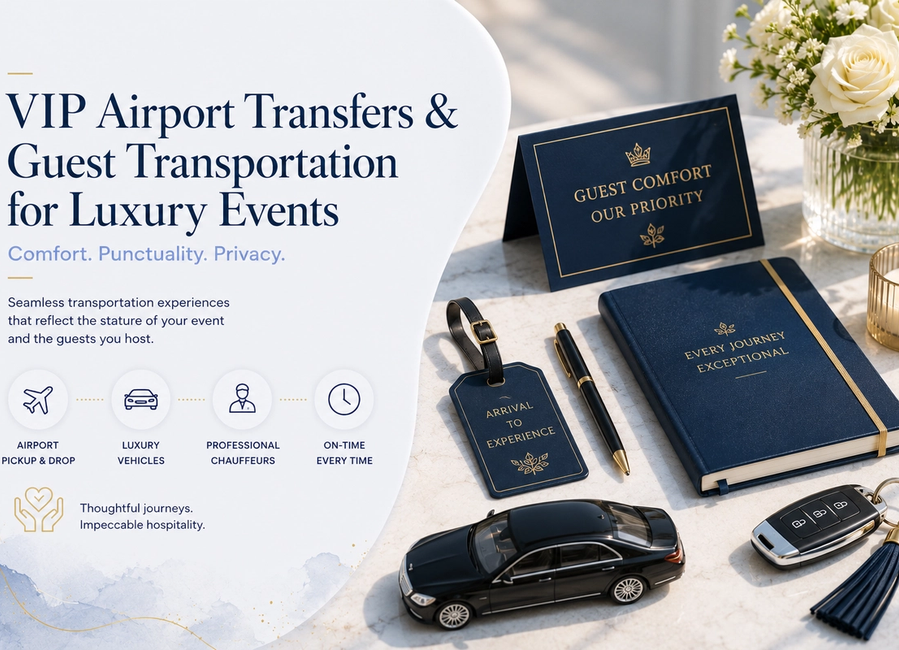
Vehicle planning affects both arrival and departure, making it an important part of luxury event guest management. Poor valet organisation can create traffic congestion and long waiting times before guests enter. It can also create a negative final memory when they leave.
The organiser should estimate vehicle numbers, arrival patterns and driver requirements. Separate areas may be needed for valet, chauffeur-driven vehicles, buses, vendors and VIP cars. Clear movement routes reduce unnecessary crossing and delays.
For high-profile attendees, vehicle details may need to be confirmed before the event. This allows security and welcome teams to prepare discreetly. It also helps the escort team identify the guest without creating visible confusion.
Weather conditions should be considered during vehicle planning. Covered drop-off points, umbrellas and comfortable holding areas may be necessary. Premium service requires preparation for the real environment, not only ideal conditions.
Creating Discreet VIP Arrivals
VIP and celebrity arrivals should be designed around privacy, security and efficiency. A separate route may be necessary when screening requirements differ or media exposure must be controlled. This route should feel natural rather than theatrical.
The representative should receive clear instructions about the arrival gate, contact person and expected process. The receiving team should know the vehicle details, approximate timing and internal destination. Private lounges or green rooms should be ready before arrival.
The team should avoid gathering visibly around the entrance or creating unnecessary attention. High-profile guests often value discretion more than ceremony. A quiet and confident reception can feel more premium than an exaggerated welcome.
A relationship owner should monitor the complete movement without remaining intrusive. Security, hospitality and event teams should already understand their responsibilities. Preparation allows the arrival to feel effortless.
For celebrity appearances, see managing celebrity appearances: logistics, security and coordination.
Designing Efficient Registration
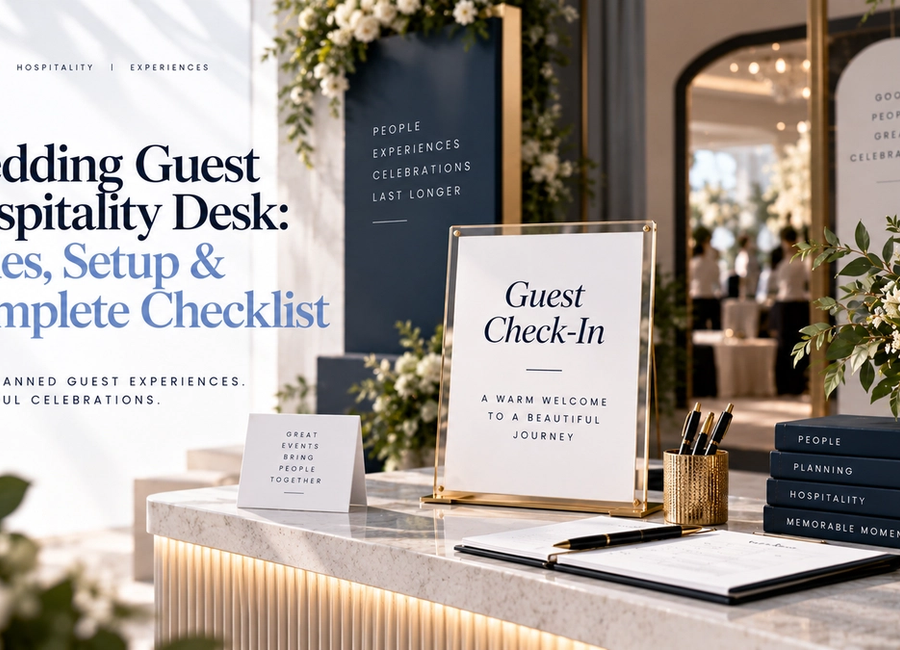
Registration should verify the guest’s identity and access without making the welcome feel transactional. Information that can be collected beforehand should not be requested again. On-site interaction should remain brief and respectful.
Digital credentials and QR codes can improve speed, but they must be supported by trained team members. The registration area should have clear counters, visible guidance and sufficient waiting space. Staff should know how to handle both routine and unusual cases.
A guest whose name cannot be found should not be questioned publicly in the main queue. The matter should be moved to a separate exception point. A senior person can then verify the relationship and approve appropriate action.
The language used at registration influences the guest’s comfort. Team members should communicate with confidence, warmth and discretion. The guest should feel welcomed rather than processed through a system.
For digital entry systems, see contactless check-in systems for high-end events.
Preparing Registration Backups
Technology is valuable, but it should never become a single point of failure. Mobile networks may weaken, scanners may stop working and guests may arrive without access to their devices. Backup planning ensures that these failures remain invisible.
The team should keep offline or printed guest lists, additional devices and power support. A senior person should have authority to approve legitimate exceptions. The process should remain quick enough to prevent queue formation.
Name variations should also be anticipated. A guest may introduce themselves using a shorter name while being registered under a formal version. Staff should be trained to search intelligently before assuming the name is missing.
Backup systems create operational confidence. They allow the team to continue working calmly while technical problems are resolved. Technology should support hospitality, not become a barrier to it.
Creating a Refined Welcome Experience
Registration should flow naturally into the main experience. Guests should not complete verification and then feel uncertain about where to go. A clear handover is required between the entry team and the hospitality team.
The welcome may include guidance toward seating, lounges, refreshments or the host. Cloakroom support, schedule information and assistance with belongings may also be relevant. The experience should reflect the tone of the occasion.
A luxury wedding may require warmth and familiarity, while a corporate summit may require polished efficiency. Team members should understand how much interaction is appropriate. Not every guest wants constant attention.
The strongest welcome feels personal without becoming intrusive. Guests should know support is available while still having the freedom to experience the event comfortably. This balance is an important part of premium hospitality.
Designing Strategic Seating
Seating is more than a venue-layout exercise. It reflects relationships, protocol, comfort and visibility. A poorly considered seating decision can create emotional or operational problems.
The organiser should consider host priorities, family dynamics, accessibility and security. Elderly guests may need shorter walking distances, while speakers may require quick access to the stage. Celebrities may require privacy and controlled movement.
Media representatives may need sightlines that allow coverage without obstructing other guests. Strategic partners may need proximity to senior hosts. Food service routes and photography movement should also be considered.
Every seating position communicates how the guest is valued within the event. This makes accuracy and sensitivity essential. Seating should support relationships rather than create visible tension.
Controlling Seating Changes
Last-minute seating adjustments are common, but they should remain controlled. The event should maintain a limited number of flexible seats for approved changes. This provides room to respond without disrupting the main plan.
Only authorised decision-makers should approve significant movement. Guest-facing teams must receive the latest seating plan, and outdated versions should be removed. Multiple versions create contradictory directions.
Any disagreement should be discussed privately and calmly. Guests should never be asked to debate their placement in front of other attendees. Even when an error has occurred, discreet handling can protect the experience.
A clear escalation process helps teams resolve seating issues quickly. The priority is to provide the guest with an acceptable solution. Internal investigation can take place after the immediate situation has been addressed.
Planning Guest Flow Across the Venue
Guest flow planning determines how people move between different areas of the venue. A large space can still feel crowded when pathways are poorly designed. Movement must be considered alongside décor and programme planning.
The organiser should map the routes between entry, seating, dining, lounges, washrooms and departure points. Service staff should use separate routes where possible. This prevents operational movement from interfering with guest comfort.
Photography and video teams should also be positioned carefully. They should not block aisles, entrances or important transition areas. Media access must support storytelling without disrupting the event.
The programme schedule should consider how many people may move at the same time. Breaks, meal service and performances can create sudden movement. Planning these transitions keeps the environment calm.
For a deeper operational approach, see on-site guest flow, registration, entry, seating and experience mapping.
Using Effective Wayfinding
Guests should be able to navigate the event without repeatedly asking for directions. Wayfinding can include signs, screens, zone names, maps and trained ushers. The system should be visually aligned with the event while remaining functional.
A beautifully designed sign that cannot be read from a reasonable distance does not improve the experience. Placement, font size and lighting are as important as aesthetic design. Directional information should appear before a guest reaches a decision point.
Wayfinding should be tested during the venue walk-through. Team members should approach the space as if they have never seen it before. This makes hidden confusion easier to identify.
The strongest system combines visual guidance with personal support. Signs provide independence, while ushers offer reassurance. Together they help guests move confidently.
Delivering Personalised Hospitality
Personalised hospitality means offering the correct support at the right moment. It does not mean surrounding guests with constant attention. The experience should feel thoughtful rather than overwhelming.
Guest information and team briefings can help staff understand dietary, accessibility and transport needs. Personalisation may include language assistance, reserved refreshments or support for elders. Destination events may require hotel and luggage coordination.
The quality of hospitality is often measured by how quickly the team notices and resolves a requirement. Guests should not need to explain the same issue to several departments. Shared information allows the service to feel coordinated.
True luxury lies in relevance. A small gesture that responds to a real need often creates more value than an elaborate but generic offering. Personalised hospitality should make the guest feel understood.
Protecting Guest Privacy
Privacy is essential for private weddings, celebrity appearances and confidential corporate gatherings. The team should define which areas can be photographed and who requires approval before publication. These decisions must be made before content capture begins.
Guest management, photography, PR, social media and security teams should follow the same rules. Names, titles and captions must be verified before content is published. Restricted conversations and private spaces should remain protected.
Guests should know whom to contact if they have a concern about photographs or access. Their request should be handled quickly and without creating embarrassment. Trust is easily damaged when privacy concerns are ignored.
Luxury brands build authority through visibility, but they protect relationships through discretion. Responsible content management is therefore part of the guest journey. Exposure should never be created at the cost of comfort.
For privacy planning, see guest data privacy for luxury events.
Training Guest-Facing Teams
The quality of the guest journey depends on the people delivering it. Team members should understand the event’s purpose, service tone and guest categories. Instructions alone are not enough.
They should know how to verify guests, direct different groups and respond when something does not match the plan. Training should include language, posture, appearance and privacy expectations. These details influence perception immediately.
A premium team should remain calm even when solving a difficult issue. Guests should not see internal disagreement or panic. Clear roles and decision authority support this composure.
Confidence cannot be created through a rushed briefing minutes before the doors open. Teams need structured preparation and time to understand the venue. Rehearsal turns a plan into reliable execution.
Using Scenario-Based Rehearsals
The team should practise realistic situations before the event. Examples may include a missing name, failed QR code, unapproved plus-one or delayed VIP arrival. Seating disputes and media-access issues should also be considered.
Role-play helps team members understand what they can resolve independently. It also teaches them when and how to escalate a situation. This reduces delays during real incidents.
The objective is not to create a rigid script for every possible problem. It is to develop judgement, communication and confidence. Teams should understand the principles behind the response.
Rehearsed teams are less likely to display visible panic. They can focus on the guest’s immediate comfort while following the correct internal process. This protects the premium atmosphere.
Creating an Escalation System
Unexpected situations occur at every event, regardless of planning quality. The difference lies in how quickly and discreetly they are handled. A clear escalation system prevents uncertainty.
The event plan should identify the first responder, reporting manager and final decision-maker for different issues. Routine operational problems should not reach the host automatically. Teams should have authority to resolve common situations.
Security, reputation and high-value relationship concerns should move directly to the correct senior person. Communication routes must be simple and reliable. Too many approval layers slow the response.
The guest’s immediate need should be addressed before internal investigation begins. A calm temporary solution may be necessary while details are verified. Preparedness protects composure and brand reputation.
Designing the Exit Experience
The guest journey continues until the attendee leaves the venue comfortably. Departure is frequently underplanned because the team focuses on entry and programme execution. This can damage the final impression.
Long valet waits, missing transport or unclear exit routes create frustration. Luggage and gift handling may also produce congestion. These issues should be anticipated before guests begin leaving.
The exit plan should include vehicle collection, driver communication and comfortable waiting areas. Elderly guests, celebrities and priority attendees may require additional assistance. Weather protection may also be necessary.
The final interaction should feel as organised as the first welcome. A seamless departure shows that the host remained attentive until the end. It leaves the guest with a positive final memory.
Managing Departure Congestion
Many guests may leave immediately after a performance, ceremony or speech concludes. This creates sudden pressure on vehicles and valet teams. Staggered movement can help reduce congestion.
The organiser may use multiple collection points or communicate vehicle readiness through guest-relations staff. For destination events, hotel and airport transport should be managed centrally. Guests should know where and when to board.
Comfortable waiting spaces can improve the experience during unavoidable delays. Seating, water and clear communication help guests remain relaxed. Silence and uncertainty make delays feel longer.
Departure planning should be tested with the same seriousness as arrival. The team should estimate peak demand and confirm backup options. A strong exit protects the success of the complete event.
Continuing the Journey After the Event
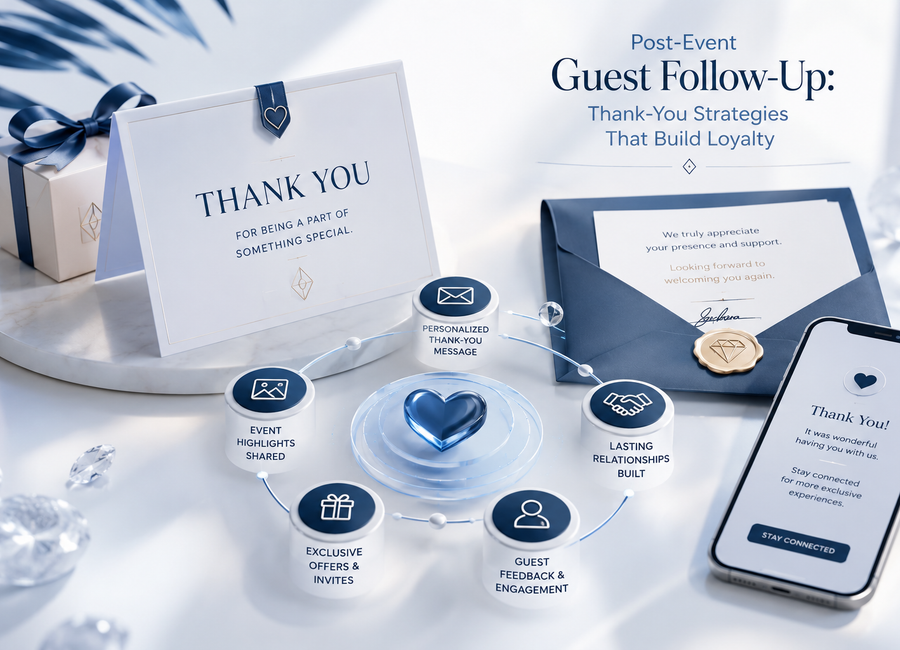
Post-event follow-up is the final stage of the luxury event guest journey. The first thank-you message should generally be sent within 24 to 72 hours. This keeps the emotional connection active.
The message should acknowledge the guest’s presence and match the tone of the event. It should not immediately become a sales pitch or promotional campaign. Gratitude should remain the main purpose.
Later communication may include photographs, private galleries, presentations or press coverage. Different guest categories should receive different information. Relevance is more important than volume.
A wedding guest may receive a warm message from the family, while an investor may receive information discussed during the event. A celebrity representative may need approved images and confirmation of deliverables. Thoughtful follow-up converts an event into a lasting relationship.
For this final stage, see post-event guest follow-up.
The INVITE Guest Journey Framework
The INVITE framework can help luxury brands and event hosts structure the complete experience. It creates a simple system for connecting planning, execution and relationship management. Every stage supports the next.
Identify the Guests by building the list around the event’s purpose, capacity and positioning. Note Their Needs by recording access, seating, hospitality, privacy and communication requirements. These two stages create the foundation.
Verify Attendance through a reliable RSVP and confirmation process. Integrate Touchpoints by connecting arrival, registration, seating, hospitality, movement and departure. This prevents departments from working independently.
Train the Team through ownership, rehearsals and clear escalation routes. Extend Relationships by thanking guests and completing relevant commitments. The framework ensures that the experience remains consistent from beginning to end.
How to Measure the Guest Journey
Attendance numbers alone do not show whether an event delivered a premium experience. Measurement should focus on the quality and control of each touchpoint. This provides more useful insight.
The team may review RSVP accuracy, registration time and peak queue length. Seating disputes, VIP response times and hospitality requirements should also be recorded. These indicators reveal where friction occurred.
Departure delays, privacy concerns and unresolved guest issues provide further information. After the event, feedback, referrals and repeat attendance help measure long-term value. Completed follow-ups should also be tracked.
The strongest benchmarks are often the brand’s own previous events. Comparing similar experiences allows teams to identify real improvements. Measurement turns guest management into a repeatable discipline.
For further measurement planning, see event guest analytics: behaviour, engagement and satisfaction.
Common Guest Journey Mistakes
Luxury event guest journeys often suffer because planning is divided between departments. Unclear guest lists, weak RSVP tracking and uncontrolled additions create problems before the event begins. Poor briefing and inconsistent communication make those problems more visible.
Other frequent mistakes include confusing entry routes, slow registration and uncontrolled seating changes. Missing technology backups and unclear escalation authority can further weaken execution. These issues are rarely caused by a lack of effort.
Departure and post-event follow-up are also frequently neglected. Organisers may focus so heavily on the main programme that they forget the final impression. The result is an experience that begins strongly but ends with frustration.
The solution is to manage the guest journey as one continuous system. Every touchpoint should have an owner, process and standard. Connected planning creates consistency.
For a broader overview of recurring operational problems, see common guest management mistakes for luxury brands.
Frequently Asked Questions
What Is a Luxury Event Guest Journey?
A luxury event guest journey is the complete experience an attendee has from invitation and RSVP through arrival, registration, seating, hospitality, departure and post-event communication. It connects operational planning with emotional perception. Every interaction contributes to how the event is remembered.
When Does the Guest Journey Begin?
The guest journey begins while the guest list is being planned, before invitations are sent. The organiser should understand why each person is being invited and what experience they require. These decisions affect communication, access, seating and hospitality.
Why Is Guest Segmentation Important?
Guest segmentation allows organisers to plan different access, privacy and hospitality requirements. VIPs, media, speakers, families and general attendees may all require different support. Segmentation helps the team prepare without making differences feel uncomfortable.
How Can Events Reduce Entry Queues?
Entry queues can be reduced by collecting information before the event and maintaining one verified guest list. Clear counters, sufficient staff and a separate exception process also improve speed. Technology should be supported by offline backups.
How Should VIP Guests Be Managed?
VIP guests should have a relationship owner and a confirmed arrival protocol. Access, seating, security and hospitality should be ready before they arrive. The experience should remain discreet and should not attract unnecessary attention.
How Should Celebrity Guests Be Handled?
Celebrity coordination should normally take place through an authorised representative. Arrival, departure, security and photography requirements should be confirmed in advance. The team should protect privacy while maintaining smooth movement.
For broader planning, see celebrity management in India.
What Should an RSVP System Collect?
An RSVP system should collect attendance confirmation, contact information and approved companions. It may also record relevant dietary, accessibility and travel needs. Only information required for the experience should be requested.
How Should Luxury Event Seating Be Planned?
Seating should consider relationships, protocol, comfort and visibility. Accessibility, privacy, security and movement must also be reviewed. The plan should support the event’s purpose while respecting individual needs.
What Is Guest Flow Planning?
Guest flow planning maps how attendees move through arrival, registration, seating, hospitality and departure. It identifies congestion points and conflicting routes. Smooth movement allows the venue to feel spacious and organised.
Why Is Exit Planning Important?
Departure creates the final physical impression of the event. Long vehicle waits or confusing routes can weaken an otherwise successful experience. A well-designed exit reinforces the host’s attention and professionalism.
How Should Guest-Facing Teams Be Trained?
Teams should receive role-specific information about guest categories, access, seating and hospitality. They should also understand communication tone, privacy and escalation. Scenario-based rehearsals improve confidence and judgement.
What Happens After the Event?
The team should reconcile attendance and resolve pending hospitality issues. Priority guests should receive appropriate thank-you communication and approved content. Relevant business, media and relationship follow-ups should also be completed.
How Is Guest Journey Success Measured?
Success can be measured through RSVP accuracy, waiting time and issue resolution. VIP handling, departure delays and guest feedback provide additional insight. Repeat attendance, referrals and completed follow-ups help measure long-term impact.
How Double Trouble Studio Designs Seamless Guest Journeys
Double Trouble Studio supports luxury weddings, corporate summits, hospitality launches, private previews and celebrity-attended experiences with end-to-end guest management. Our approach connects planning, communication and execution into one consistent journey. Every system is adapted to the event’s venue, audience and objectives.
Our services can include guest-list strategy, invitation planning, RSVP management, VIP coordination and arrival flow. We also support registration, seating, hospitality, privacy, media requirements and departure management. Post-event communication can be included to complete the relationship cycle.
The objective is not simply to prevent queues or seating errors. It is to create an experience that protects the host’s reputation and helps every important guest feel recognised. Complex operations should feel effortless from the guest’s perspective.
Conclusion
A seamless luxury event guest journey is not created through one impressive moment. It is created through consistent attention across every stage of the experience. The invitation, arrival, seating and departure must all reflect the same level of care.
The invitation creates expectation, while the RSVP process builds confidence. Arrival creates the first physical impression, and hospitality determines how comfortable guests feel during the programme. Departure creates the final memory.
Post-event communication decides whether the relationship continues. This is why luxury brands and event hosts must view the guest journey as one connected system. No stage should be treated as an isolated operational task.
When information is accurate, teams are trained and transitions are planned, guests do not see the complexity behind the event. They simply remember that they felt expected, recognised and effortlessly welcomed.
Plan Your Luxury Event with Double Trouble Studio
A premium event should feel seamless from the first invitation to the final departure. Double Trouble Studio designs complete guest journeys for luxury weddings, corporate events, hospitality launches, brand experiences and celebrity-attended gatherings.
Our guest-management approach combines strategy, personalised communication, RSVP systems, VIP coordination, registration, seating, hospitality, guest flow and post-event follow-up. Every element is planned to protect the host’s reputation and improve guest comfort.
Connect with Double Trouble Studio to create a luxury event guest journey designed around your audience, venue and objectives.
📩 info@dtsworld.in 📞 +91 80000 06021 📍 Andheri (West), Mumbai
Need this for your brand?
Let DTS build your next campaign.
From PR, celebrity management and events to websites, social media, SEO and AI video production — Double Trouble Studio helps brands grow with strategy and execution.
Discuss Your Requirement →